
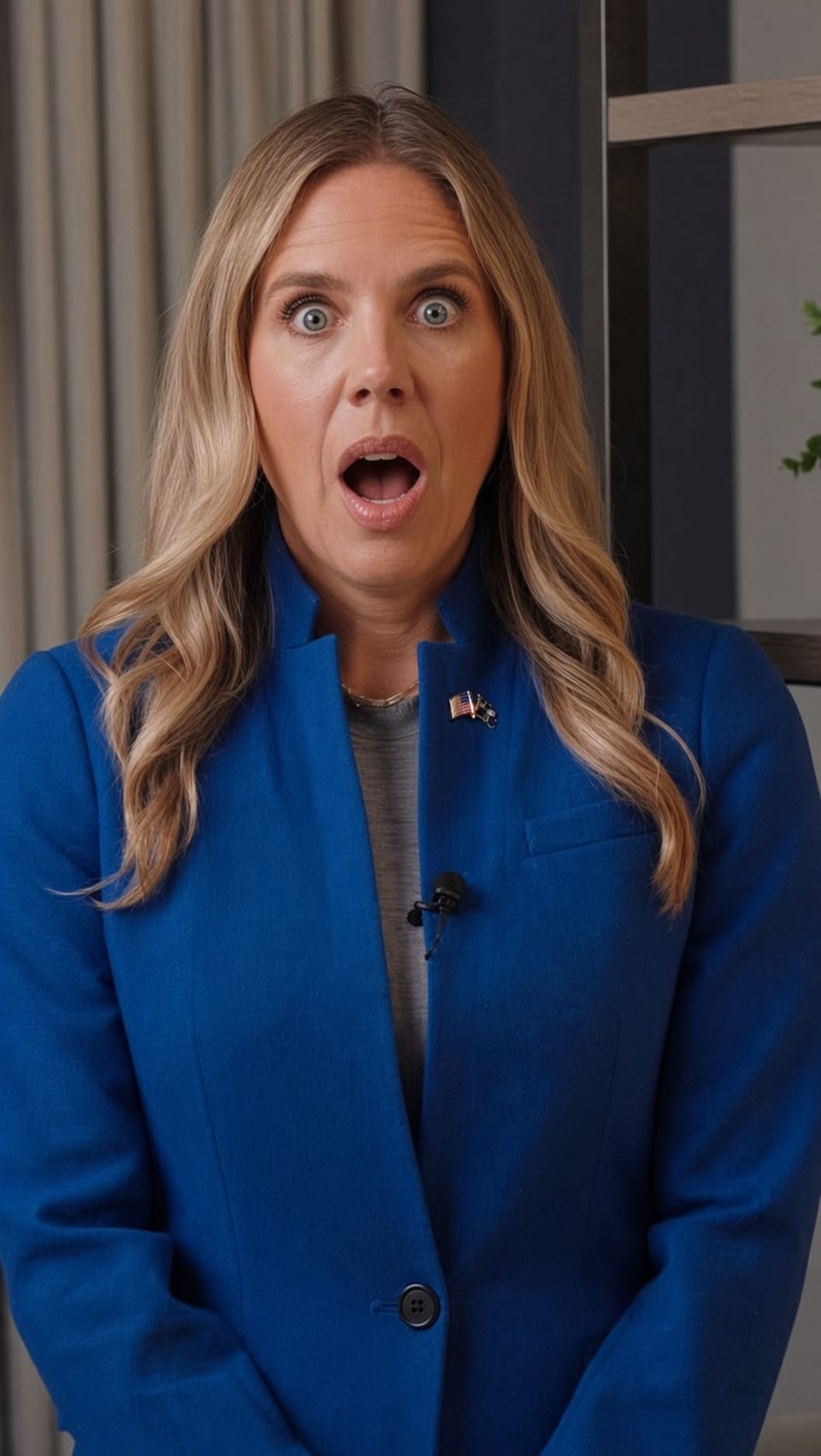
With just one day until Election Day, a new Crimson Hub analysis shows Annie Andrews– Democrat vying to replace Darline Graham in the U.S. Senate– has taken money from some big league culture warriors, with a majority of her donors coming from outside South Carolina.
Andrews entered the race as a longshot. While Democrats long believed Sen. Graham's elder brother, recently deceased Sen. Lindsey Graham, was vulnerable, election after election demonstrated his staying power.
However, with Darline in the role, Democrats have a better shot at the seat. Here's how their candidate has chosen to finance her run.
According to campaign finance aggregator Open Secrets, nearly 70 percent of Andrews' donations are from out of state. About 10 percent come from California.
And a number of Andrews' donors are leftwing culture warriors, including a glut of pediatricians who either work on child gender transitions themselves or for medical providers who serve the trans minor community in a manner that validates their preferred, as opposed to biological, genders. It also includes prominent abortion advocates.
Andrews took $7,000– the legal maximum– from "abortion sociologist" Gretchen Sisson.

She also took $3,500 each from abortion activists Robert Klein and Danielle Guttman Klein.

Dr. Shannon Castle gave Andrews $2,000. She's a pediatric surgeon at a hospital that appears to offer gender-affirming care to trans youth.

Andrews also took $1,000 from Dr. Mitchell Cohen, whose wife was profiled in this piece focusing on gender-affirming pediatric care in Alabama:
At the University of Alabama, Ladinsky’s team begins with a comprehensive, integrated approach that includes psychological evaluation, counseling with patients and their families, and reviewing available resources to help patients and their families during this often perplexing and stressful time.
Then there is an extended, ongoing analysis of each situation on a case-by-case basis, often lasting 1 to 3 years before medical options are considered. Even then, her team’s mantra is to go slow, especially with patients in their early teenage years.
For younger teens, puberty blockers are prescribed if the team thinks they are necessary. “These medications, introduced in early puberty, provide a short term pause button on further pubertal changes and are instrumental in preserving the mental health of younger teens who are beginning to struggle with gender dysphoria,” Ladinsky explained.
As the teen patient gets older, hormone therapy becomes an option.
In cases of females transitioning to males, hormone injections can stimulate the growth of body hair, deepen voices and create a more masculine appearance. For males transitioning to females, treatments can lead to breasts, softer skin, rounder hips and other changes.
The pediatrician’s chance to do more in the gender area came in 2014 when her husband, Dr. Mitch Cohen, a prominent pediatrician at Cincinnati Children’s Hospital Medical Center, was recruited to be chair of the University of Alabama’s Department of Pediatrics and physician-in-chief of Children’s of Alabama.
The University of Alabama provided Ladinsky with an opportunity to teach and practice, opening the door to her and a UAB pediatric endocrinologist, also interested in gender care, co-establishing a transgender care program. Their team, which also includes a chaplain and psychologist, was established in 2015.
“We are the only group providing this level of care in Alabama and Mississippi. Families from the Florida panhandle, southern Tennessee and western Georgia also come to see us,” she said with pride.“Since we began, we’ve touched the lives of 400 to 500 kids and families. We also have helped pediatricians better understand gender dysphoria and the toll it can take on a young person’s physical and mental health.”

Andrews also took $750 from Dr. Craig DeWolfe, who evidently serves or once served on Children’s National DEI LGBTQ+ Subcommittee.

While the volume of such donations is not overwhelming, their presence does raise questions about Andrews' suitability to representing a conservative state like South Carolina, as opposed to perhaps a more recognizably purple one like Arizona or Pennsylvania– or indeed neighboring North Carolina.
They also, however, speak to the peril of Palmetto State Republicans running a political novice as a sub-in for her late brother; Andrews would undoubtedly not be in a position to compete with Graham had the senator's late brother survived.

Comments ()